Introduction
Picture this: A daughter discovers her aging father has been writing checks to multiple “charities” that don’t seem legitimate. His savings account is nearly empty, and she’s panicking. At 9 PM on a Sunday, she searches “elder law attorney financial abuse” because she doesn’t know where else to turn.
Your website appears in her search results. In those first 30 seconds, she’s evaluating whether you’re the right attorney to help protect her father and possibly recover his assets. She’s looking for signs that you understand elder financial abuse, have experience with these complex cases, and can be trusted with her family’s crisis.
This moment—where genuine expertise meets urgent need—is where law firm website trust signals become absolutely critical. The attorneys who understand this intersection, and build their digital presence to serve both the anxious daughter and the algorithms that delivered her to their site, are the ones who make the difference when it matters most.
Why Credibility Signals Matter More Than Ever
The legal profession has always been built on trust, but the pathways to that trust have fundamentally shifted. Your potential clients now conduct extensive research before they ever pick up the phone. They’re comparing not just credentials, but the feeling they get about whether you truly understand their situation.
This behavioral change has occurred alongside a parallel evolution in search technology. Modern algorithms evaluate websites much like discerning clients do—looking for genuine expertise, proven results, and authentic commitment to helping people solve real problems.
When your website lacks strong credibility signals, the impact extends beyond SEO:
- Qualified prospects bounce within seconds, never reaching your consultation booking page
- Potential clients gravitate toward competitors who demonstrate clearer expertise
- Your firm misses opportunities to connect with families facing urgent legal needs
- Referral sources find other attorneys with more compelling online presences
Building authentic credibility isn’t about perfection—it’s about accurately representing the depth of experience and genuine care you bring to every case.
This series is based on a long-form post entitled: “How Google Really Evaluates Law Firm Websites in 2025 (and 4 Changes You Must Make)”. You can check it out via this link.
The 7 Most Important Website Trust Signals in 2025
Clear, Human-Centered Attorney Bios
Your bio serves as the first introduction between you and someone facing one of the most difficult periods of their life. They’re not just evaluating your credentials—they’re trying to determine if you’re the type of person who will listen, understand, and fight for their interests.
Effective attorney bios demonstrate both competence and compassion:
- Recent photography that shows you’re accessible and engaged
- Experience descriptions that focus on outcomes, not just years of practice
- Personal elements that help clients see you as a real person, not just a legal professional
- Specific examples of how you’ve helped families navigate similar challenges
People don’t hire law firms—they hire attorneys they believe in.
(Common Legal Wisdom) Tweet
When a business owner reads that you’ve helped “over 150 small business owners protect their life’s work through comprehensive succession planning,” they begin to envision you understanding their unique concerns about legacy and continuity.
Client Testimonials and Case Results
The most powerful trust-building tool you have is the voice of someone who’s walked the path your potential client is about to take. When a spouse facing divorce reads about how you helped another family navigate complex asset division while protecting their children’s interests, they start to believe a positive outcome is possible.
Compelling testimonials focus on transformation and resolution:

These stories don’t just build confidence—they help potential clients understand the emotional intelligence and practical wisdom you bring to challenging situations.
Contact Details That Inspire Confidence
When someone finally decides to reach out for legal help, they’ve usually spent considerable time working up the courage to make that call. Your contact information should make that next step as straightforward and reassuring as possible.
The difference between a website that treats contact information as an afterthought and one that makes connection effortless is the difference between someone who calls and someone who keeps searching.
Trust-building contact elements include:
- A local phone number that connects directly to your office
- Clear office addresses that establish your presence in the community
- Specific hours when clients can expect to reach you or your staff
- Multiple ways to connect, acknowledging that different people prefer different communication methods
Social proof isn’t just nice to have—it’s required reading for your prospects.
(Paraphrased from marketing psychology) Tweet
Security and Transparency Signals
Your clients trust you with their most sensitive information—financial records, family dynamics, business valuations, and personal struggles. Your website should demonstrate the same level of security and discretion they’ll experience when working with you.
This means implementing professional-grade security measures that protect client communications and being transparent about how you handle sensitive information. When someone fills out a contact form about a sensitive family matter, they should feel confident that their data is protected.
These technical safeguards might seem invisible, but they send a clear message: you understand the weight of their trust and take protecting it seriously.
Suggested External Links:
Educational and Up-to-Date Content
The families and business owners you serve often come to you feeling overwhelmed by complex legal requirements and uncertain about their options. Your website content should begin the education process, helping them understand their situation and feel more prepared for meaningful consultation.
Effective legal content serves as a bridge between confusion and clarity. When you explain complex concepts in accessible language—like how asset protection strategies work for small business owners or what signs indicate financial elder abuse—you’re demonstrating the same clear communication skills that make you effective in client relationships.
This educational approach accomplishes two goals: it helps potential clients feel more informed and confident, while showing search engines that you provide genuine value to people facing legal challenges.
Third-Party Validation
While your expertise speaks for itself, external recognition provides independent confirmation of your professional standing. This validation becomes particularly important when clients are choosing between attorneys they’ve never met.
Meaningful third-party validation includes:
- Leadership roles in professional associations
- Recognition from legal rating organizations
- Speaking engagements at industry conferences
- Media coverage of your expertise or significant cases
These credentials matter because they demonstrate that your peers and the broader professional community recognize your expertise. They provide external validation of what your potential clients hope to discover.
Seamless User Experience (UX)
Your website’s functionality and design communicate important information about your practice before anyone reads your content. A website that’s difficult to navigate, slow to load, or frustrating to use suggests a practice that might be similarly disorganized or difficult to work with.
Professional websites mirror the organization and attention to detail that characterize well-run legal practices:
- Information architecture that makes finding relevant content intuitive
- Mobile optimization that works perfectly on smartphones and tablets
- Fast loading speeds that respect visitors’ time
- Clear navigation that helps people find what they need quickly
Remember, many visitors are dealing with stressful situations and limited time. A website that makes their research process smoother and more efficient is already providing value.
Speed builds confidence. Slowness builds doubt.
Sirus Digital maxim Tweet
What These Signals Communicate—To Google and Your Clients
The sophisticated algorithms that determine search rankings now evaluate websites using criteria that closely mirror what clients seek when choosing an attorney. This convergence means that the same qualities that earn algorithmic trust also build client confidence.
When you optimize for both audiences simultaneously, you create powerful alignment: the same qualities that improve search visibility also enhance client confidence and conversion.

Building Trust That Lasts
The attorneys who succeed in 2025’s digital landscape understand that website credibility isn’t separate from legal excellence—it’s a reflection of it. When your online presence authentically represents the expertise, integrity, and client focus that define your practice, both algorithms and potential clients respond positively.
This approach isn’t about creating a perfect website or outspending competitors on digital marketing. It’s about ensuring that when someone needs your particular expertise, they can find you easily, understand how you can help, and feel confident taking the next step.
The families and business owners you serve are often facing some of life’s most consequential decisions. They deserve to find attorneys who not only have the expertise to guide them effectively but also the integrity to represent themselves honestly online.
Credibility isn’t a design choice—it’s a conversion driver.
(Sirus Digital paraphrased) Tweet
Ready to Strengthen Trust?
Next in this series, we’ll shift from understanding credibility principles to identifying specific areas where your current website might be creating doubt instead of confidence, and exactly how to fix these issues.
➡️ Read Post 3: What You Must Change on Your Website Right Now
These aren’t expensive overhauls or complex redesigns. They’re strategic adjustments that can significantly improve how both search engines and potential clients perceive your practice. We’ll show you exactly where to look and what to change to strengthen your credibility signals immediately.
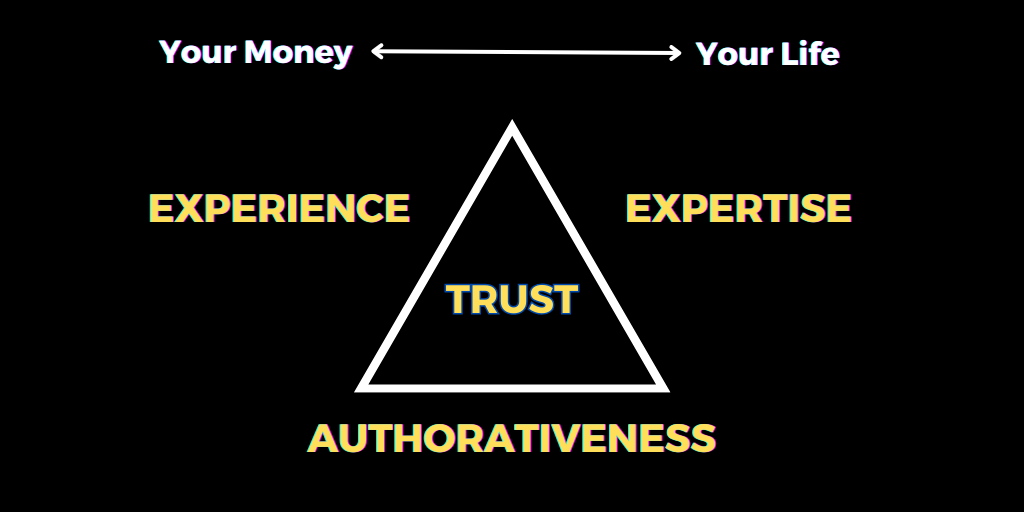
This is the second of a four-part series from Sirus Digital designed to help legacy-minded law firms build a trusted online presence by aligning with Google’s EEAT (Experience, Expertise, Authoritativeness, and Trustworthiness) and YMYL (Your Money, Your Life) standards.
- The Digital Credibility Framework Every Law Firm Must Understand in 2025
Understand the fundamentals of EEAT and YMYL and why they matter more than ever for legal professionals. - Credibility Is the New Currency: Building a Legal Website That Converts and Ranks
Explore the website signals that influence both search engines and prospective clients—and how to get them right. - What You Must Change on Your Website Right Now
A practical guide to the most common law firm website mistakes—and how to correct them fast. - Smarter Law Firm Marketing: Tools That Build Trust and Free Your Time
Discover tools and techniques that elevate your digital presence while giving you back time for client work.